

The revolt led by Major Ziaur Rahman in Chittagong on the night of March 25-26, 1971, marks one of the most decisive and courageous moments that ignited the Bangladesh Liberation War. As Pakistani forces unleashed Operation Searchlight—a premeditated genocide targeting Bengali civilians, intellectuals, students, and political leaders in Dhaka and across East Pakistan—Zia's swift actions in Chittagong prevented a similar massacre there and provided the spark for organized armed resistance.
This revolt not only saved countless lives but also set the stage for Sector 1's formation and the nationwide uprising that followed.The Night of Terror: Operation Searchlight BeginsOn March 25, 1971, after failed negotiations between Yahya Khan and Bengali leaders, the Pakistani military launched a brutal crackdown. Tanks rolled into Dhaka University, police lines, and residential areas, killing thousands in hours. Orders were issued to disarm and suppress Bengali units in the Pakistan Army and East Pakistan Rifles (EPR).In Chittagong, the 8th East Bengal Regiment—predominantly Bengali soldiers under Pakistani command—was stationed at the cantonment. Major Ziaur Rahman, the regiment's second-in-command, was not at the cantonment that night but quickly learned of the atrocities unfolding in Dhaka.Refusing to participate in the suppression of his own people, Zia immediately mobilized loyal Bengali officers and soldiers.The Swift Revolt: Seizing Control in ChittagongBy the early hours of March 26, Zia and his comrades executed a daring plan:
- Bengali troops arrested or disarmed Pakistani officers, including the regiment commander.
- They secured the cantonment, armory, and key installations, preventing Pakistani loyalists from launching a massacre in the city.
- Clashes erupted with remaining pro-Pakistan forces, but Zia's leadership ensured quick dominance.
"This is Swadhin Bangla Betar Kendro. I, Major Ziaur Rahman, on behalf of Bangabandhu Sheikh Mujibur Rahman, hereby declare that the independent People's Republic of Bangladesh has been established..."
The message was repeated multiple times, reaching far across East Pakistan and even into India and beyond. It galvanized Bengalis everywhere to resist, prompted mass defections from Pakistani forces, and formally announced Bangladesh's sovereignty to the world.Pakistani aircraft bombed the station on March 30, forcing it off air, but the damage was done—the call to arms had been heard.Immediate Aftermath and Formation of ResistanceThe revolt provided the nucleus for Sector 1. Defected soldiers from the 8th East Bengal Regiment and EPR formed the core of early Mukti Bahini units. Zia retreated into the Chittagong Hill Tracts, establishing bases and beginning recruitment.Port workers and civilians in Chittagong joined the resistance, disrupting supplies and boosting morale. The successful stand in Chittagong inspired similar actions elsewhere, accelerating the shift from non-violent movement to full-scale war.Significance: A Turning Point in the Liberation StruggleMajor Ziaur Rahman's actions on March 25-26 prevented Chittagong from becoming another site of mass slaughter, preserved critical military resources, and delivered the first public declaration of independence—acts that transformed scattered outrage into organized rebellion.His courage exemplified the Bengali military's rejection of Pakistani oppression and set the tone for the nine-month war. Without this early success in Sector 1, the Mukti Bahini's formation might have been delayed significantly.Zia's revolt remains a symbol of decisive leadership in the face of tyranny, proving that individual bravery can alter the course of history.Joy Bangla! The flames of resistance kindled in Chittagong on that fateful night illuminated the path to Bangladesh's freedom.
Major Ziaur Rahman during the early days of the revolt
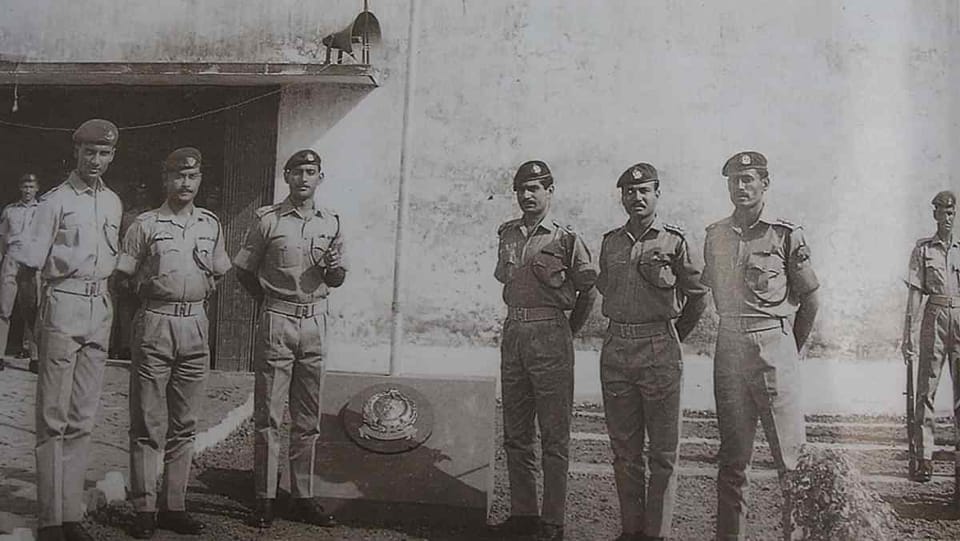
Major Ziaur Rahman with fellow Bengali officers in 1971
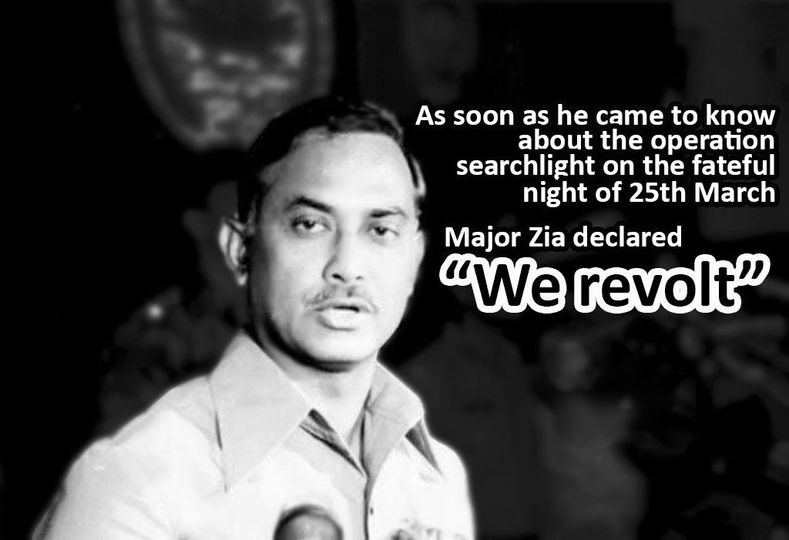
Major Ziaur Rahman at Kalurghat Radio Station declaring independence
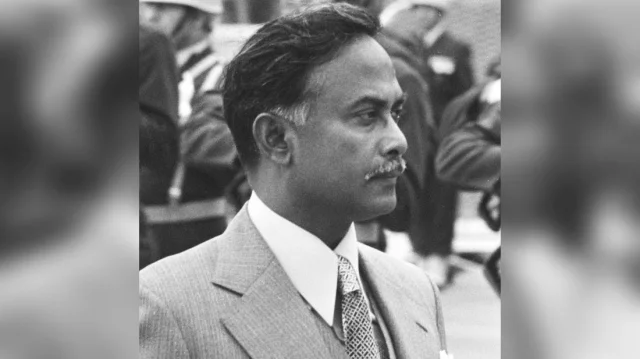
Major Ziaur Rahman leading the Chittagong revolt

Major Ziaur Rahman speaking during the liberation war

Kalurghat Radio Station – site of the independence declaration
Sector 1 Visual Gallery • 1971 Bangladesh Liberation War
