
The First Battle of Belonia Bulge marked a bold and ambitious early offensive in the 1971 Bangladesh Liberation War, showcasing the Mukti Bahini's growing capability for coordinated action. On June 1, 1971, four companies of freedom fighters, led by Captain Jafar Imam (pseudonym Captain Humayun, from Sector 2), executed a daring covert infiltration into the Belonia Bulge enclave.
This operation aimed to liberate the area, disrupt Pakistani logistics, and establish a base for the provisional Bangladesh government—representing one of the war's earliest attempts to seize and hold territory.Planning and ObjectivesBy May 1971, Mukti Bahini forces in Tripura had undergone initial training and organization with Indian support. The Belonia Bulge's strategic vulnerability—a narrow salient with key roads and railway linking Chittagong to Feni—made it an ideal target.Dual objectives drove the mission:
Tags: Bangladesh Liberation War 1971, First Battle Belonia Bulge, June 1971 Infiltration, Captain Jafar Imam, Mukti Bahini Sector 2, Belonia Enclave, Muktijuddho, Joy Bangla
- Liberate Feni district and the Bulge.
- Create a secure zone inside Bangladesh for the exiled government's headquarters.
- Proved Mukti Bahini could conduct large-scale operations beyond hit-and-run raids.
- Forced Pakistanis to reinforce the area, diverting troops from other fronts.
- Set the stage for later battles, culminating in permanent liberation in November 1971.
- Highlighted joint Sector 1-2 coordination in the Bulge region.
Tags: Bangladesh Liberation War 1971, First Battle Belonia Bulge, June 1971 Infiltration, Captain Jafar Imam, Mukti Bahini Sector 2, Belonia Enclave, Muktijuddho, Joy Bangla
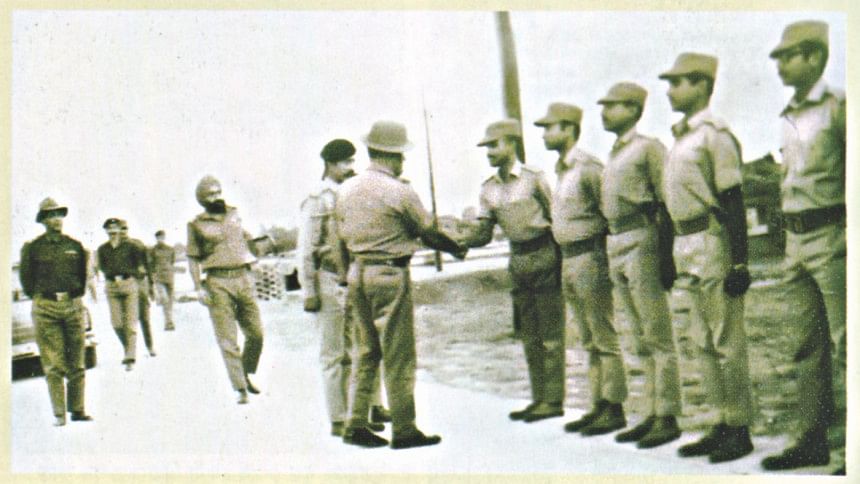
Mukti Bahini forces during the intense First Battle of Belonia Bulge
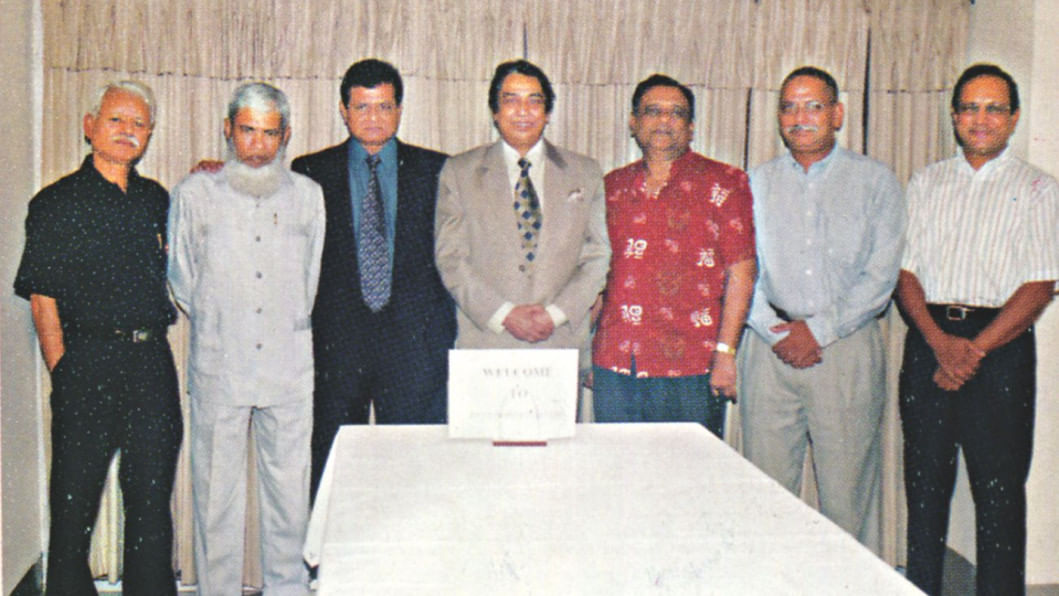
Freedom fighters infiltrating the Bulge in June 1971

Operations in the Belonia Bulge during early battles

Mukti Bahini advancing in the strategic enclave

The daring early infiltration led by Captain Jafar Imam

Guerrillas moving through waterways near the Bulge
Sector 1 Visual Gallery • 1971 Bangladesh Liberation War