

Captain Rafiqul Islam (later Major (Retd.), Bir Uttam) assumed command of Sector 1 in July 1971, marking a pivotal transition in the Bangladesh Liberation War. As Major Ziaur Rahman moved to form the elite Z Force brigade, Captain Rafiq stepped in to lead one of the most challenging and strategically vital sectors, guiding it through intense guerrilla campaigns until the final victory in December.His steady leadership, tactical acumen, and unwavering commitment turned Sector 1 into a relentless thorn in the side of Pakistani forces, contributing immensely to the liberation of the southeastern region.Background and Early Role in the WarBorn on September 13, 1943, in Naora village, Shahrasti, Chandpur district, Rafiqul Islam joined the Pakistan Army, receiving his commission in the Corps of Engineers in 1965. Later transferred to the Regiment of Artillery and then deputed to the East Pakistan Rifles (EPR), he served as Adjutant at the EPR Sector Headquarters in Chittagong by 1970.As tensions escalated in early 1971, Captain Rafiqul prepared his EPR troops mentally and logistically for resistance. The arrival of arms-laden ships like MV Swat in Chittagong and troop reinforcements from West Pakistan convinced him that suppression was imminent.When Operation Searchlight began on March 25, 1971, EPR units under officers like Rafiqul played crucial roles in early defiance, complementing Major Ziaur Rahman's revolt in the cantonment.The Handover: July 1971 Sector Commanders' ConferenceThe historic Sector Commanders' Conference (July 11-17, 1971) in Kolkata formalized the 11-sector structure under Commander-in-Chief Colonel M.A.G. Osmani.Major Ziaur Rahman, who had commanded Sector 1 since April, was tasked with forming Z Force—a regular brigade comprising the 1st, 3rd, and 8th East Bengal Regiments. This new formation required his full attention for training and conventional operations.Command of Sector 1 was transferred to Captain Rafiqul Islam (promoted to Major during the war). Operating from the headquarters at Harina in the Chittagong Hill Tracts, he inherited a sector already active with guerrilla groups but facing escalating Pakistani counteroffensives.Leadership Style and Key ContributionsMajor Rafiqul Islam's command emphasized disciplined coordination, intelligence-driven operations, and close ties with local tribal communities. He oversaw five sub-sectors:
- Rishimukh (Captain Shamsul Islam)
- Sreenagar (Captain Matiur Rahman, later Captain Mahfuzur Rahman)
- Manughat (Captain Mahfuzur Rahman)
- Tabalchhari (Subedar Ali Hossain)
- Dimagiri (a subedar)
- Guerrilla units intensified ambushes on supply convoys and raids on outposts in Ramgarh, Kaptai, and Rangamati.
- The Belonia Bulge saw multiple battles, with forces defending and expanding liberated zones.
- Coordination with Indian allies ensured steady arms flow and training for thousands of recruits.
- Field hospitals and propaganda efforts boosted fighter morale amid harsh monsoon conditions.
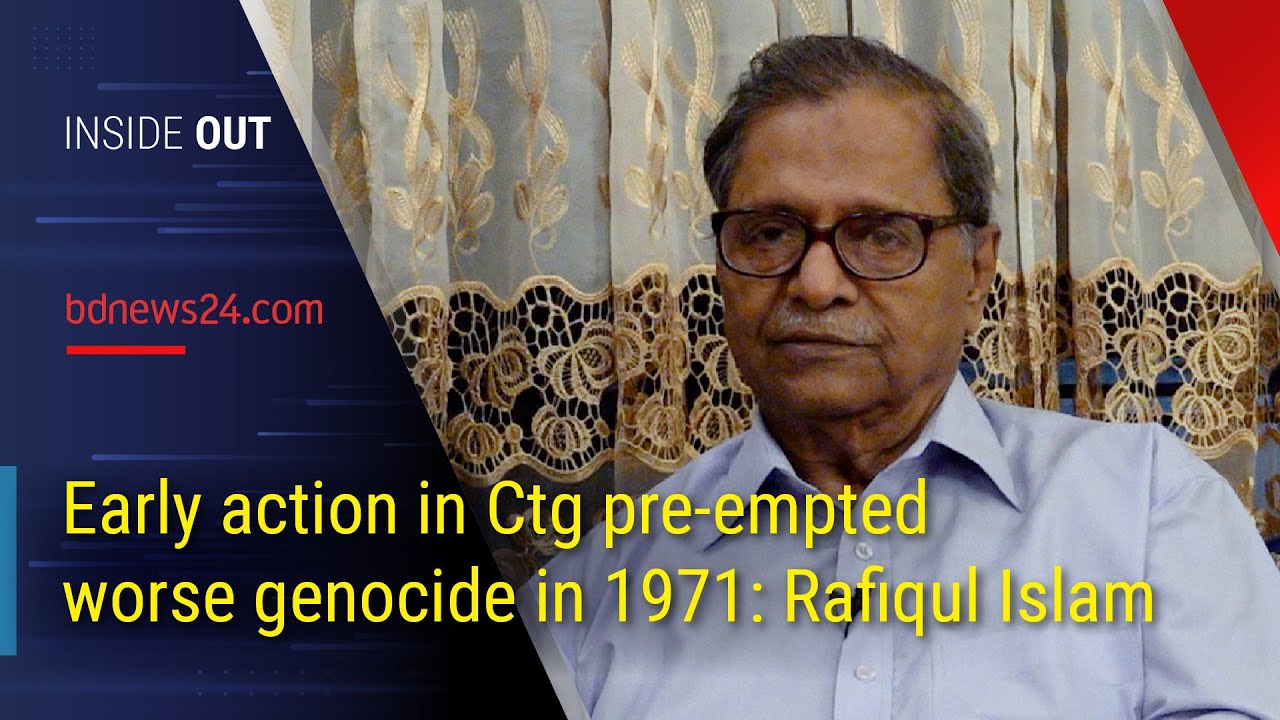
Major (Retd.) Rafiqul Islam, Bir Uttam – Sector 1 Commander

Captain Rafiqul Islam during the Liberation War era
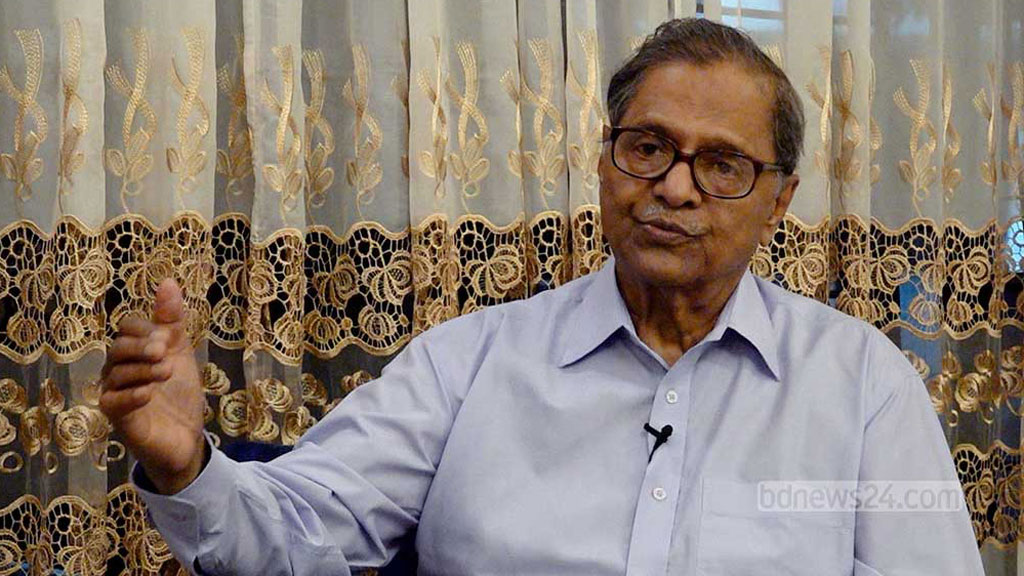
Major Rafiqul Islam recounting his experiences as Sector Commander

Bir Uttam Major (Retd.) Rafiqul Islam
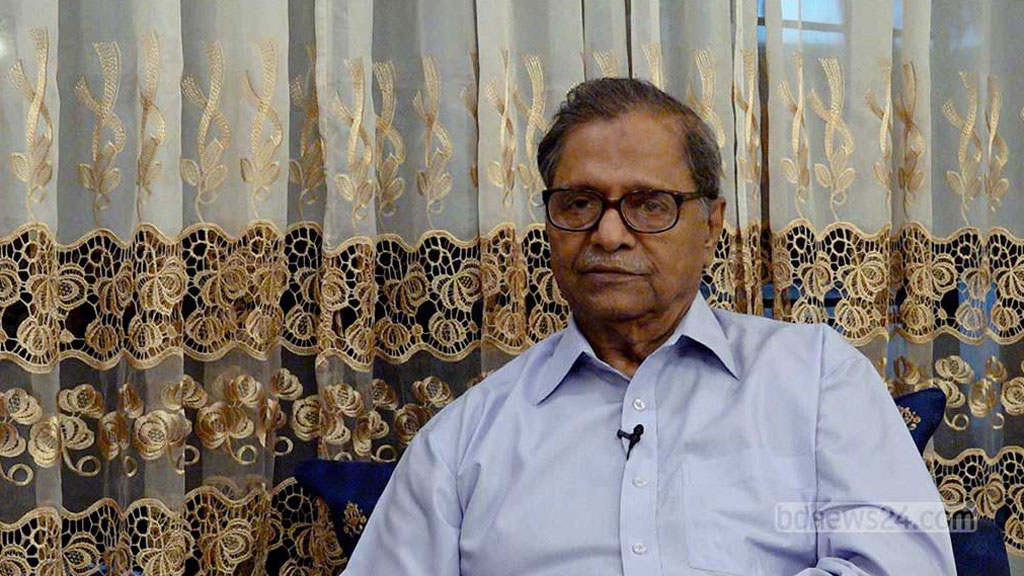
Sector 1 Commander Major Rafiqul Islam in reflection

Major Rafiqul Islam, Bir Uttam – Leader of Sector 1 from July 1971
Sector 1 Visual Gallery • 1971 Bangladesh Liberation War