

Major Ziaur Rahman (later Shaheed President Ziaur Rahman, Bir Uttam) stands as one of the most iconic figures of the 1971 Bangladesh Liberation War. As the initial commander of Sector 1, he played a pivotal role in organizing resistance in the southeastern region, igniting nationwide defiance, and laying the groundwork for the Mukti Bahini's guerrilla campaign against Pakistani occupation forces.His leadership from March to June 1971 transformed scattered acts of rebellion into structured warfare, earning him legendary status as a brave soldier, charismatic leader, and the voice that formally proclaimed Bangladesh's independence.Early Life and Military CareerBorn on January 19, 1936, in Bagbari, Bogra, Ziaur Rahman joined the Pakistan Army in 1953 after completing education in Dhaka. He excelled as an officer, serving in various postings and earning commendations for bravery, including during the 1965 Indo-Pak War.By 1971, as a Major and second-in-command of the 8th East Bengal Regiment stationed at Chittagong Cantonment, Zia was deeply aware of the growing Bengali discontent with West Pakistani domination. The regiment, composed primarily of Bengali soldiers, became a nucleus for early resistance.The Historic Revolt in Chittagong (March 25-26, 1971)When Pakistani forces launched Operation Searchlight on the night of March 25, 1971—a genocidal crackdown targeting Bengali intellectuals, students, and civilians—Zia was away from the cantonment. Upon learning of the massacre in Dhaka and orders to suppress Bengalis, he immediately rallied loyal troops.On March 26, Zia's forces arrested Pakistani officers, seized the cantonment, and clashed with loyalist units. This swift revolt prevented a full-scale massacre in Chittagong and secured vital arms and manpower for the emerging Mukti Bahini.The Iconic Declaration of IndependenceZia's most enduring contribution came on March 27, 1971. From the Kalurghat Radio Station in Chittagong, he broadcast the declaration of Bangladesh's independence on behalf of Bangabandhu Sheikh Mujibur Rahman:
"I, Major Ziaur Rahman, do hereby declare the independence of Bangladesh..."
This message, repeated multiple times and retransmitted across the region, reached millions. It galvanized Bengalis to rise up, inspired mass defections from the Pakistan Army and EPR, and marked the formal start of the armed liberation struggle. The broadcast drew global attention and boosted morale immeasurably.Command of Sector 1: Building the ResistanceIn April 1971, Zia was appointed commander of Sector 1 (covering Chittagong, the Chittagong Hill Tracts, and the Belonia Bulge). Operating from bases in the hills, including the emerging headquarters at Harina, he:- Organized defected soldiers into disciplined units
- Divided the sector into sub-sectors for efficient operations
- Coordinated with Indian authorities for training camps in Tripura
- Recruited thousands of youths, students, and locals
- Established supply lines for arms and intelligence
- Forged alliances with tribal communities for support in the Hill Tracts

Major Ziaur Rahman – the fearless initial commander of Sector 1
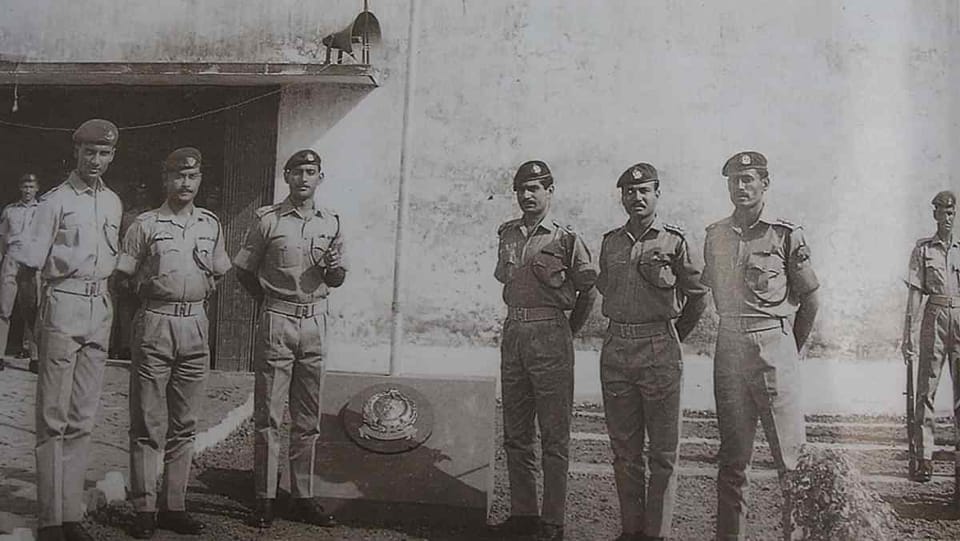
Major Ziaur Rahman with fellow officers during the 1971 war
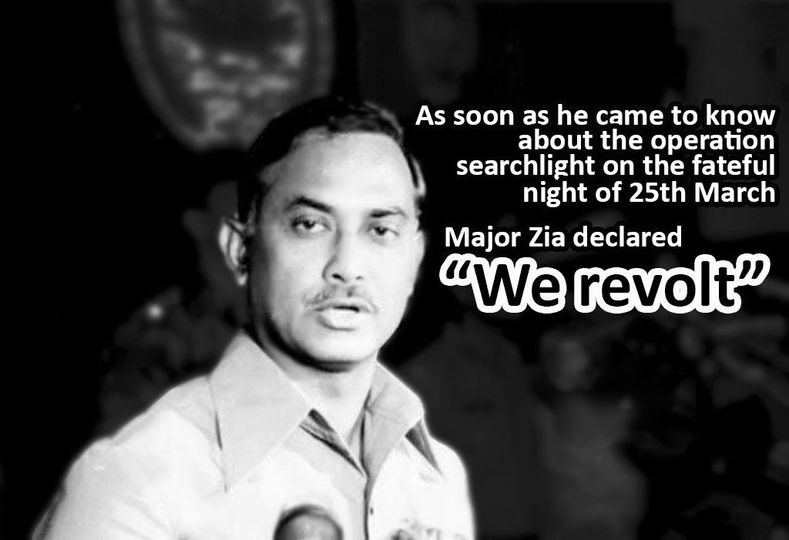
Major Zia at Kalurghat Radio Station declaring independence

Major Ziaur Rahman leading resistance in Sector 1
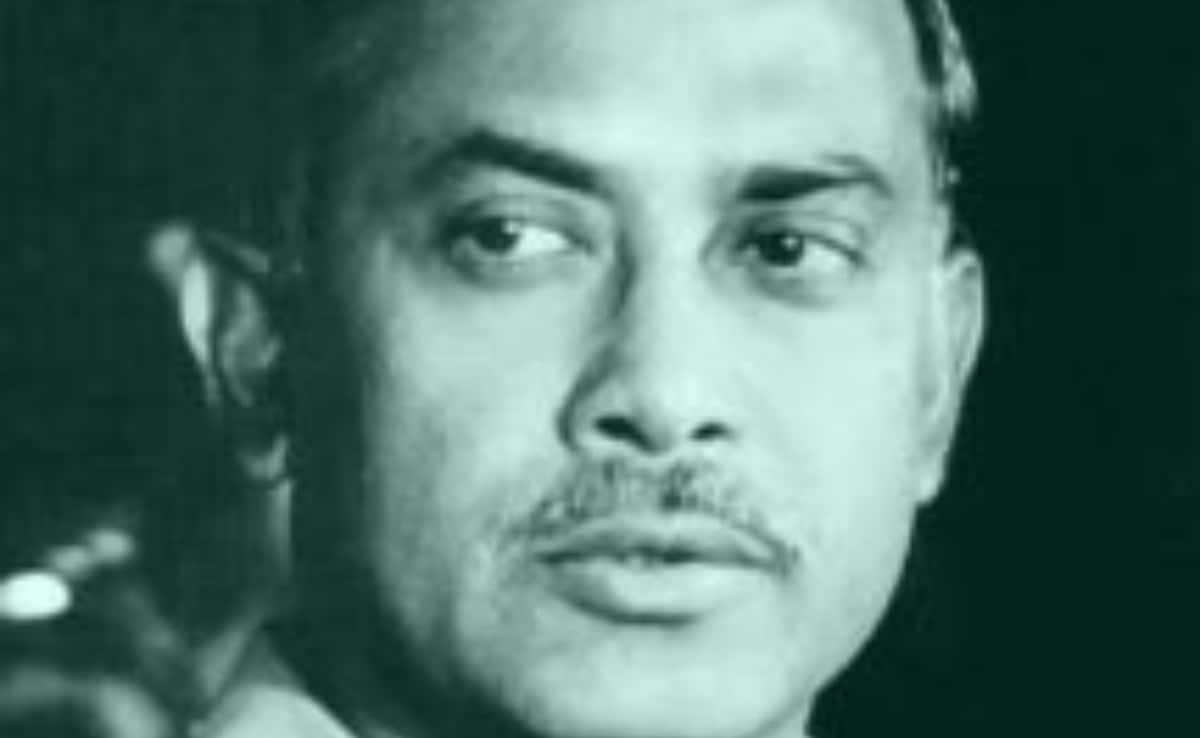
Iconic image of Major Ziaur Rahman during the Liberation War

Major Ziaur Rahman giving an interview during the war
Sector 1 Visual Gallery • 1971 Bangladesh Liberation War
 stands as one of the most iconic figures of the 1971 Bangladesh Libera...)