
The sinking of ships in Chittagong harbor during Operation Jackpot on the night of August 15-16, 1971, ranks among the most audacious and successful sabotage missions of the 1971 Bangladesh Liberation War. Mukti Bahini naval commandos, many recruited from and linked to Sector 1 (Chittagong region), swam through heavily patrolled waters to attach limpet mines to anchored vessels.
The resulting explosions sank or severely damaged multiple ships, blocked the harbor channels, and effectively closed Chittagong Port to international shipping for months—a devastating blow to Pakistani logistics in the east.Recruitment and Sector 1 ConnectionChittagong's maritime community—sailors, dock workers, and fishermen—formed a natural recruitment pool for naval commandos. Many volunteers hailed from Sector 1 areas: Chittagong city, coastal plains, and even the Hill Tracts.Defected Bengali officers and sailors from the Pakistan Navy, familiar with Chittagong waters, provided expertise. Sector 1 Commander Major Rafiqul Islam coordinated local intelligence and safe houses for infiltrating commandos.While training occurred mainly in India (Plassey and other camps), Sector 1's proximity enabled rapid deployment and ground support.The Daring AttackAround 60 commandos, divided into teams, infiltrated Chittagong over weeks. On August 15 midnight, they launched from concealed positions along the Karnaphuli River.Swimming silently in darkness, they attached magnetic limpet mines (delayed fuses) to hulls below the waterline. Targets included Pakistani ammunition ships and foreign vessels carrying military cargo.Explosions began around 1:40 AM:
- MV Al Abbas (Pakistani, ammunition) sank.
- MV Hormuz and others heavily damaged or sunk.
- Estimates: 9-11 vessels affected in Chittagong alone (total Operation Jackpot: 15-26 ships across ports).
- Logistical Paralysis → Chittagong, handling 90% of East Pakistan's imports, ground to a halt. No foreign ships docked afterward due to insurance fears.
- Isolation of Forces → Pakistani troops in the southeast faced acute shortages of fuel, ammunition, and reinforcements.
- Morale Boost → News of the attack spread rapidly, inspiring Mukti Bahini and demoralizing occupiers.
- Economic Blow → Months-long blockade compounded the war's strain on Pakistan.
Naval commandos executing the daring harbor attack

Sector 1-linked commandos training for underwater sabotage

Commandos attaching limpet mines to ships in Chittagong

Frogmen infiltrating Chittagong harbor at night

Historical image of Operation Jackpot heroes

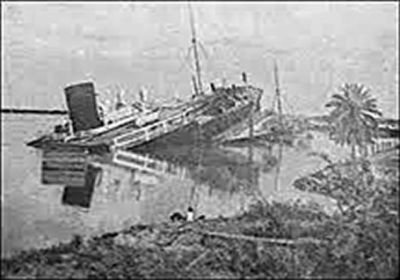
Ships sinking after explosions in Chittagong harbor
Sector 1 Visual Gallery • 1971 Bangladesh Liberation War