
The Pakistani counterattacks on the Belonia Bulge in June 1971 marked a fierce response to the Mukti Bahini's daring infiltration at the start of the month. After freedom fighters under Captain Jafar Imam (Sector 2, with Sector 1 support) successfully entered and partially liberated the enclave on June 1, Pakistani forces mobilized heavy reinforcements to reclaim this strategically vital salient.
These counteroffensives tested the guerrillas' resolve, forcing a tactical withdrawal but inflicting significant losses on the enemy and gaining invaluable experience for future battles.The Initial Mukti Bahini SuccessOn June 1, 1971, four companies covertly crossed from Tripura, overrunning lightly defended positions. They advanced rapidly, liberating parts of Parshuram, Belonia, and areas along the Muhuri River.The goal: secure the Bulge as a base for the provisional Bangladesh government and disrupt Pakistani logistics on the Dhaka-Chittagong route.Local civilians welcomed the fighters, boosting morale and providing support.Pakistani Response and CounterattacksAlarmed by the loss, Pakistani command viewed the Bulge's fall as unacceptable. Reinforcements—including infantry, artillery, and air support—poured in from Feni and Chittagong.Counterattacks began shortly after, intensifying mid-June:
Tags: Bangladesh Liberation War 1971, Pakistani Counterattacks Belonia June 1971, First Battle Belonia Bulge, Captain Jafar Imam, Mukti Bahini Defense, Sector 1-2 Coordination, Muktijuddho, Joy Bangla
- Heavy Artillery and Airstrikes — Barrages targeted Mukti Bahini positions; Sabre jets strafed suspected areas.
- Infantry Assaults — Multiple waves attempted encirclement, pressing from western and southern approaches.
- Siege Tactics — Efforts to cut resupply routes from Tripura, aiming to starve defenders.
- Ambushes on advancing columns.
- Defensive positions along river banks and high ground.
- Night counterstrikes to disrupt enemy consolidation.
Tags: Bangladesh Liberation War 1971, Pakistani Counterattacks Belonia June 1971, First Battle Belonia Bulge, Captain Jafar Imam, Mukti Bahini Defense, Sector 1-2 Coordination, Muktijuddho, Joy Bangla
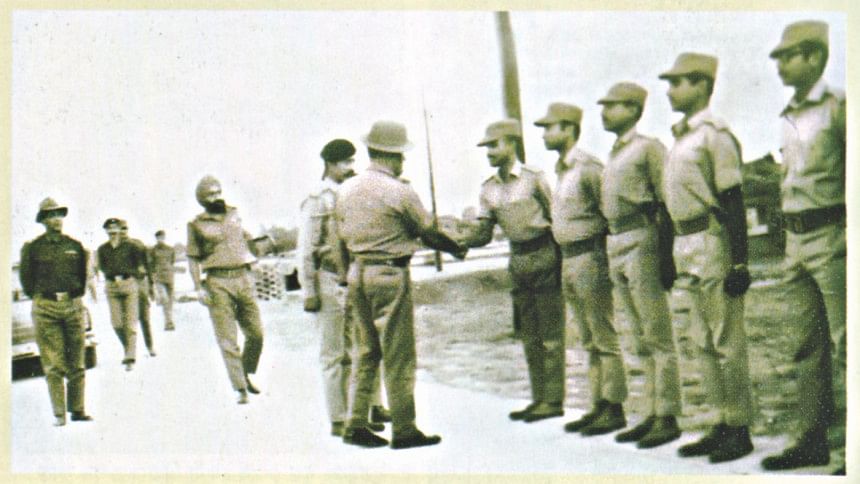
Mukti Bahini facing Pakistani counterattacks in June 1971
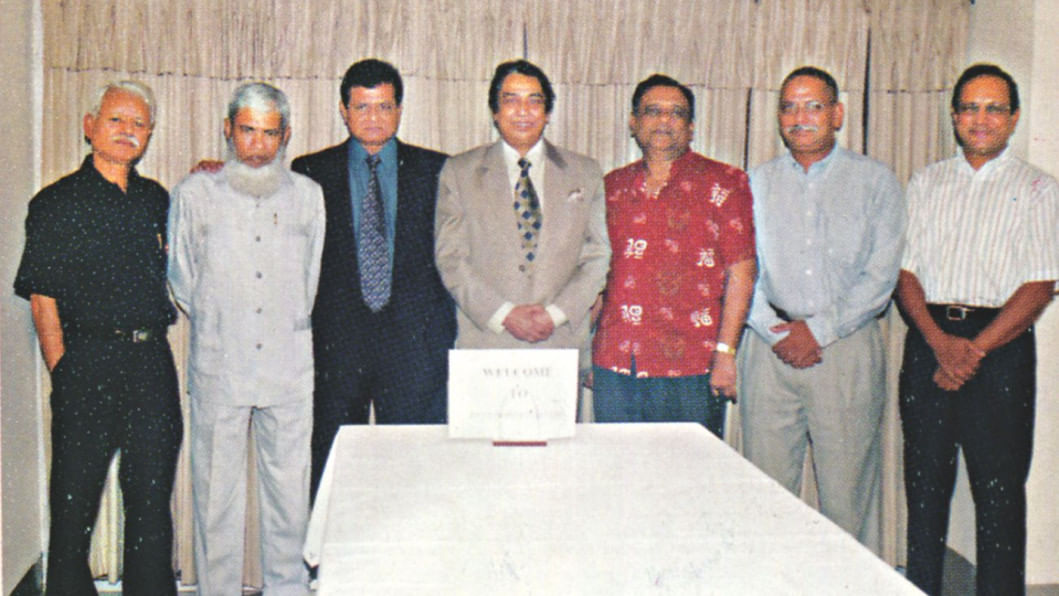
Defenders holding against June offensives in Belonia Bulge

Freedom fighters during the June counterattacks
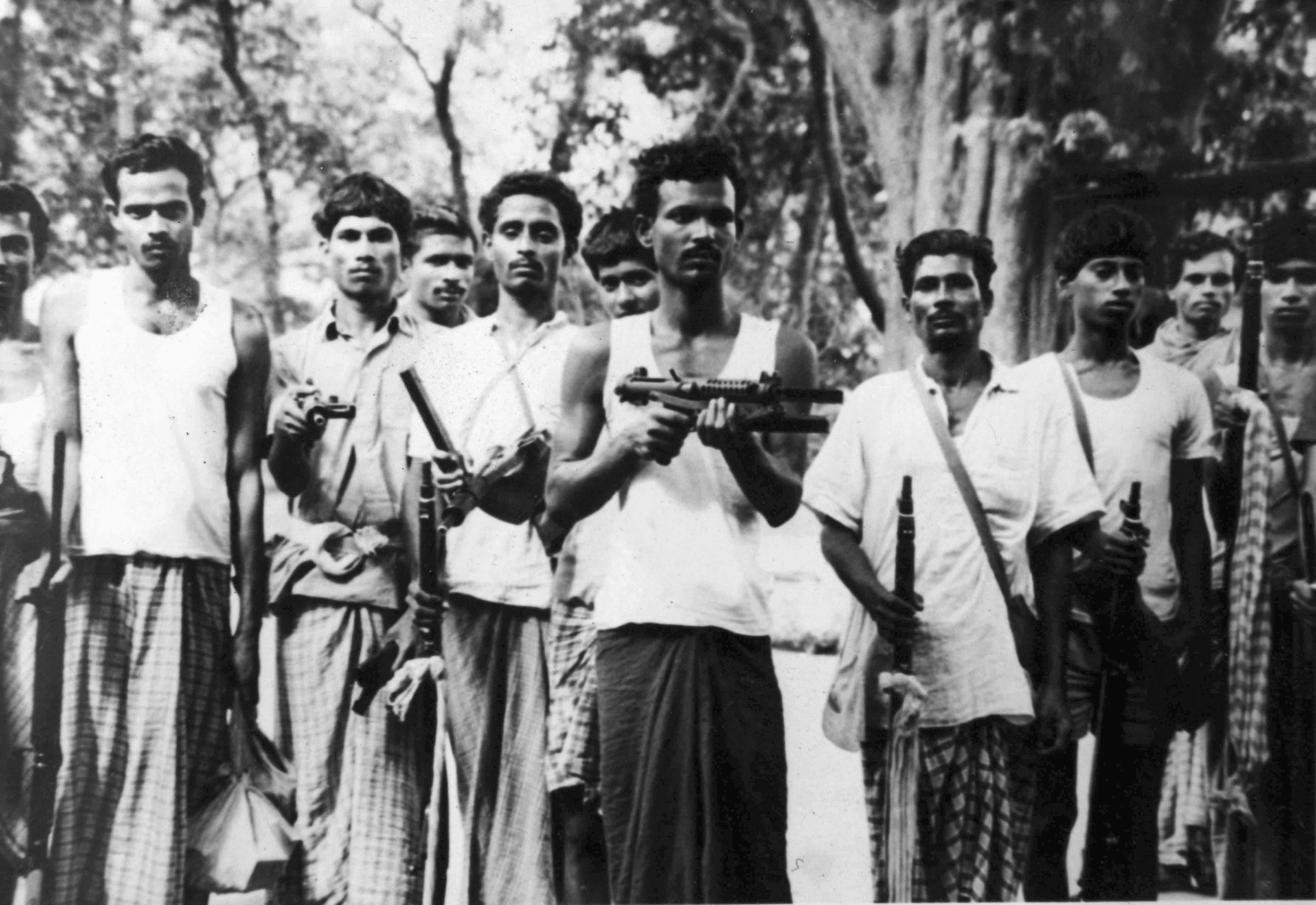
Intense combat in the Belonia area, June 1971
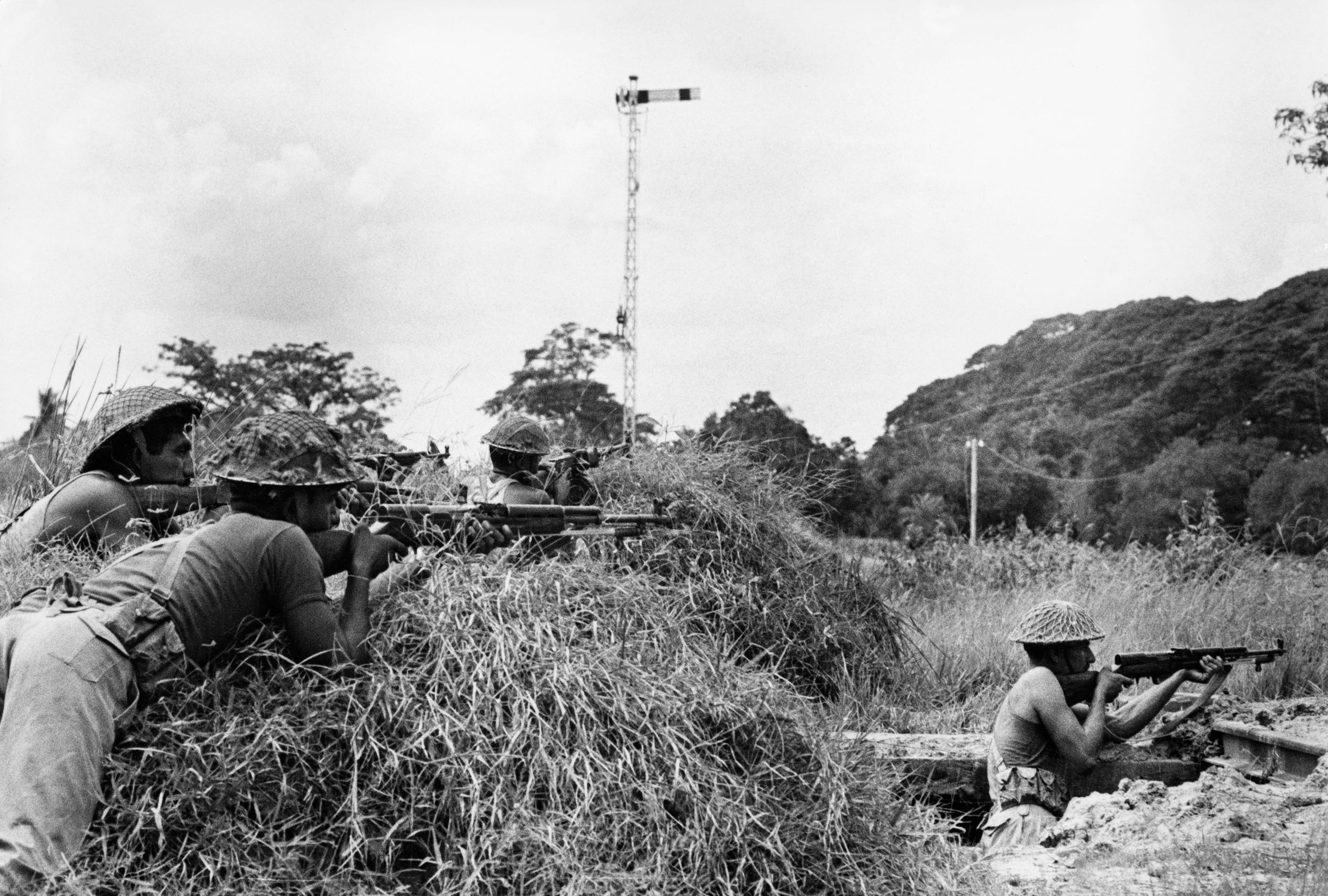
Mukti Bahini guerrillas responding to Pakistani assaults

Operations amid Pakistani counteroffensives in June
Sector 1 Visual Gallery • 1971 Bangladesh Liberation War