
The defense of the Belonia Bulge against relentless Pakistani counterattacks stands as one of the most heroic chapters in the 1971 Bangladesh Liberation War. After the daring Mukti Bahini infiltration in June 1971, Pakistani forces launched repeated offensives to recapture this vital enclave in Sector 1.Freedom fighters, outnumbered and outgunned, held their ground through extraordinary courage, tactical ingenuity, and local support, turning the Bulge into a symbol of unyielding resistance.Pakistani Determination to Recapture the BulgeThe Bulge's loss threatened Pakistani control over the Dhaka-Chittagong highway and railway. High command viewed its liberation as a dangerous precedent and allocated significant resources—infantry, artillery, air support, and even naval elements—to retake it.Counterattacks began almost immediately after the June infiltration, intensifying through July-November 1971. Pakistan deployed brigades, mortars, and aircraft, attempting encirclement and direct assaults.Mukti Bahini Defensive StrategyFacing superior firepower, defenders adopted classic guerrilla defense:
Tags: Bangladesh Liberation War 1971, Defense Belonia Bulge, Pakistani Counterattacks 1971, Mukti Bahini Heroism, Sector 1 Battles, Belonia Enclave, Muktijuddho, Joy Bangla
- Fortified Positions — Dug trenches and bunkers on reverse slopes, using natural cover along the Muhuri River.
- Ambushes and Counterstrikes — Small teams harassed advancing columns, mining roads and launching hit-and-run attacks.
- Encirclement Prevention — Mobile groups flanked Pakistani advances, cutting supply lines.
- Night Operations — Most effective defenses occurred at night, exploiting darkness and familiarity with terrain.
- Local Support — Civilians and tribal allies provided intelligence, food, and early warnings of movements.
- July-August Intense Assaults — Heavy artillery barrages and infantry pushes aimed to break Mukti Bahini lines. Defenders repelled multiple waves, inflicting heavy casualties.
- Sieges and Blockades — Pakistanis attempted to starve out positions; fighters used hidden routes for resupply from Tripura.
- November Climax — Final desperate attacks failed; on November 10, a Pakistani captain and 72 soldiers surrendered at Parshuram.
- Preserved a key liberated zone.
- Disrupted logistics for months.
- Boosted nationwide morale.
- Proved Mukti Bahini could withstand conventional assaults.
Tags: Bangladesh Liberation War 1971, Defense Belonia Bulge, Pakistani Counterattacks 1971, Mukti Bahini Heroism, Sector 1 Battles, Belonia Enclave, Muktijuddho, Joy Bangla
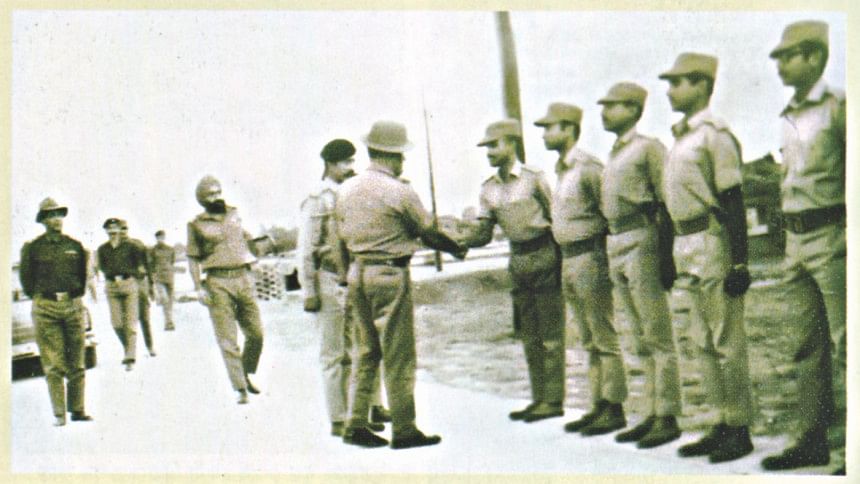
Mukti Bahini defenders holding the line in Belonia Bulge
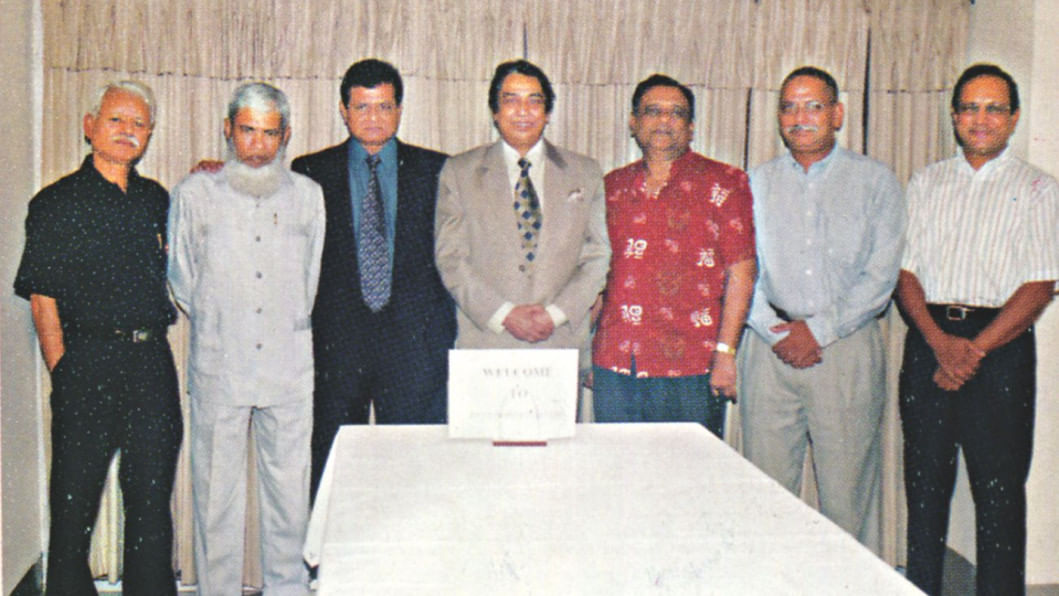
Freedom fighters repelling Pakistani attacks in the Bulge

Mukti Bahini in defensive positions during counterattacks

Heroic stand against Pakistani assaults in Belonia

Resistance operations defending the liberated enclave

Guerrilla tactics in the defense of Belonia Bulge
Sector 1 Visual Gallery • 1971 Bangladesh Liberation War