
The blockade of Chittagong Port through Operation Jackpot and subsequent Mukti Bahini actions inflicted a devastating logistical stranglehold on Pakistani forces in East Pakistan during the 1971 Bangladesh Liberation War. Chittagong, handling over 90% of the region's imports, was the primary gateway for military supplies from West Pakistan and abroad.
The August 15-16, 1971, commando attacks sank or damaged key vessels, blocked channels with wreckage, and deterred foreign shipping. This blockade, sustained until liberation, severely hampered Pakistani operational capability in the southeast, including Sector 1.Immediate Effects of Operation JackpotThe explosions sank or crippled 9-11 ships in Chittagong (part of 15-26 total across ports). Wreckage clogged the Karnaphuli channel and anchorage, rendering jetties unusable.Foreign vessels—fearing mines and instability—refused to dock. Insurance rates soared; neutral ships rerouted or cancelled voyages.By September 1971, Chittagong effectively ceased functioning as an international port.Logistical Crisis for Pakistani ForcesThe blockade created acute shortages:
Tags: Bangladesh Liberation War 1971, Chittagong Port Blockade, Operation Jackpot Impact, Pakistani Forces Logistics Crisis, Sector 1 Blockade Effects, Mukti Bahini Sabotage Success, Muktijuddho, Joy Bangla
- Ammunition and Weapons → Limited stockpiles depleted rapidly; resupply from West Pakistan halted.
- Fuel → Petroleum shortages grounded vehicles and aircraft; naval patrols reduced.
- Food and Essentials → Rations dwindled; troop morale suffered.
- Reinforcements → Troop movements by sea stopped; airlifts proved insufficient and costly.
- Reduced Mobility → Tanks and heavy artillery immobilized for lack of fuel; patrols limited.
- Defensive Posture → Garrisons in Ramgarh, Rangamati, and Kaptai pulled back, ceding rural control to Mukti Bahini.
- Delayed Counteroffensives → Resources meant for reclaiming Belonia Bulge or sweeping hills diverted to emergency airlifts.
- Morale Collapse → Isolated troops faced constant guerrilla harassment without hope of relief.
- Forced Pakistan to rely on limited air/road links from West Pakistan via India (cut after December war).
- Contributed to economic strain, accelerating surrender negotiations.
- Drew international attention, highlighting the liberation cause's effectiveness.
Tags: Bangladesh Liberation War 1971, Chittagong Port Blockade, Operation Jackpot Impact, Pakistani Forces Logistics Crisis, Sector 1 Blockade Effects, Mukti Bahini Sabotage Success, Muktijuddho, Joy Bangla
Operation Jackpot commandos creating the Chittagong blockade

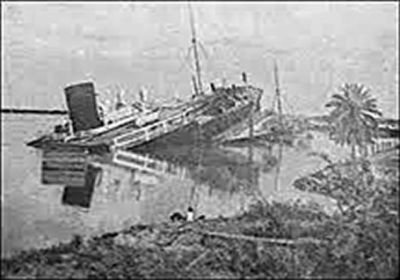
Wrecked ships blocking Chittagong harbor channels

Limpet mine damage leading to logistical crisis

Chittagong harbor blocked by sunken vessels

Naval commandos whose actions isolated Pakistani forces

Deserted Chittagong port after the blockade
Sector 1 Visual Gallery • 1971 Bangladesh Liberation War